25 thoughts on “Today in “Ask the Wonks” : Anyvillian ever dealt with dry rot?”
Well if you really are asking – rip out all sections – and to be on the safe side- anything remotely touching anything 'crumbly' (i.e. including floor or ceiling joists). Treat and ventilate and then replace with new.
Not sure if you need to tear out plaster and reskim when it comes to dry rot, depends where it is, but the more mycelium you can eradicate the better.
Definitely talk through with a builder that you trust, or comes recommended.
Only had to deal with it once, but it was a total refurbishment of an old house, so for us it was an easy case of ripping out the entire kitchen, cabinets and all, treating the walls etc, and starting from scratch with the remodel.
The floor joists were the only PITA, but since we had the whole kitchen up anyway, and new pipework…
If it's a more moderate infection, then I reckon cut out the offending section, along with a buffer zone, and replace. But again, best check with a plumber/builder who has experience.
Thanks.
It ain't me or my stuff, the vinyl – dude often asks me to help with projects.
On the 2×10 beams that support a kinda covered patio roof. I know there's lots of stuff online, but wanted to hear from any of y'all hands on experience. I suspect an actual carpenter will get involved.
Well it'll take a while for minor dry rot to eat though a 2×10 but yeah if it involves any sort of load-bearing or structural timbers then get a chippy in.
Addendum – so, having been motivated to go double-check, it looks like for minor 'surface' dry rot (i.e. if you catch it at the start) then treatment spray/solution is possible, but I'm always concerned about stuff like this getting behind the walls or under the floorboards, where it'll still keep eating away.
Obviously finding the source of the water leak and repairing the pipes/joints is the most important thing.
And yes, I'm a worrywart when it comes to these things… "don't spoil the ship for a ha'penny's worth of tar" as they say.
My maritime experiences with "Git-Rot", "System Three" and other epoxy based rot fixes have been less than satisfying. I do know folks that use ethylene glycol + epoxy to cure rot and fix wood (if they just can't replace it) because the glycol penetrates further into the wood than other petro-based carriers and is toxic to fungi.
Best advice for the happy homeowner seems to be drying, ventilation, replacement.
Wonder if the weejster will weigh in on this. I'd think Seattle would be a great place to "experience" dry rot.
My last year in NJ, in a farm just south of Princeton, surrounded by trees, it was so humid in the summer I had mold growing on my leather dress shoes.
That's a good plan. Remington 870, skeet choke, plug out. Get your reloading friend (come one, it's AZ. you have to have a friend who reloads!) to load target rounds with granular Sodium Borate. Wear proper eye and ear protection and go forth:
"Today on part II of 'This Old House, Tuscon', Dr. Vinyl and Mr Blue are cleaning up the terrible dry-rot problem out on the porch roof."
When I lived in the hinterlands, there were plenty of re-loaders, wouldn't say I was friends with them though.
Not sure I want to start asking the neighbors here in town about it .
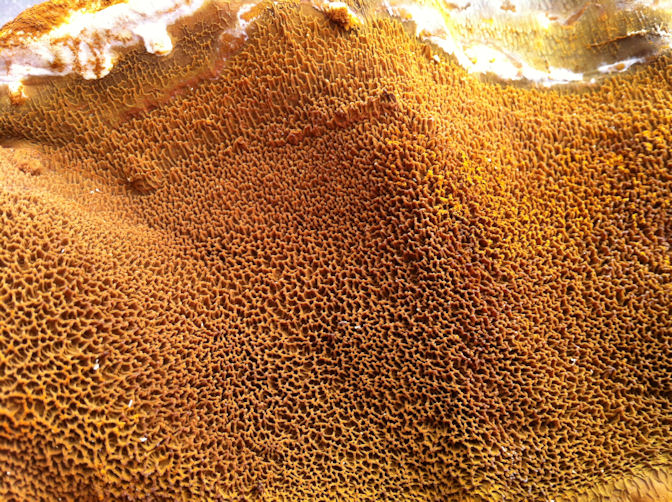

Well if you really are asking – rip out all sections – and to be on the safe side- anything remotely touching anything 'crumbly' (i.e. including floor or ceiling joists). Treat and ventilate and then replace with new.
Not sure if you need to tear out plaster and reskim when it comes to dry rot, depends where it is, but the more mycelium you can eradicate the better.
Definitely talk through with a builder that you trust, or comes recommended.
Only had to deal with it once, but it was a total refurbishment of an old house, so for us it was an easy case of ripping out the entire kitchen, cabinets and all, treating the walls etc, and starting from scratch with the remodel.
The floor joists were the only PITA, but since we had the whole kitchen up anyway, and new pipework…
If it's a more moderate infection, then I reckon cut out the offending section, along with a buffer zone, and replace. But again, best check with a plumber/builder who has experience.
HTH
Thanks.
It ain't me or my stuff, the vinyl – dude often asks me to help with projects.
On the 2×10 beams that support a kinda covered patio roof. I know there's lots of stuff online, but wanted to hear from any of y'all hands on experience. I suspect an actual carpenter will get involved.
Well it'll take a while for minor dry rot to eat though a 2×10 but yeah if it involves any sort of load-bearing or structural timbers then get a chippy in.
Addendum – so, having been motivated to go double-check, it looks like for minor 'surface' dry rot (i.e. if you catch it at the start) then treatment spray/solution is possible, but I'm always concerned about stuff like this getting behind the walls or under the floorboards, where it'll still keep eating away.
Obviously finding the source of the water leak and repairing the pipes/joints is the most important thing.
And yes, I'm a worrywart when it comes to these things… "don't spoil the ship for a ha'penny's worth of tar" as they say.
This. Also too, in lieu of fungicide applications, *a judicious application of heat seems to work*
<img src="http://i.imgur.com/OqppZ2K.gif">
My maritime experiences with "Git-Rot", "System Three" and other epoxy based rot fixes have been less than satisfying. I do know folks that use ethylene glycol + epoxy to cure rot and fix wood (if they just can't replace it) because the glycol penetrates further into the wood than other petro-based carriers and is toxic to fungi.
Best advice for the happy homeowner seems to be drying, ventilation, replacement.
Wonder if the weejster will weigh in on this. I'd think Seattle would be a great place to "experience" dry rot.
My last year in NJ, in a farm just south of Princeton, surrounded by trees, it was so humid in the summer I had mold growing on my leather dress shoes.
YES!!!!!!!!!!!!!!!
Toxic chemicals and fire seems to be the way to go.
Will advise.
Violent conflagration pics or GTFO
Also too: *Ye can Nerd Out to this, Matey.*
The Pneumatic Adhesion Tensile Testing Instrument (PATTI)
Really?
Yeah, the commercial version is called the Flesh-something-or-other.
Oh well yes, "When in doubt, kill it with fire." hasn't failed me yet either. 😉
<img src="http://s.quickmeme.com/img/b7/b78b898e76412421843ac0a07f484fbd22b347ac7b643629fb935200032c6bd0.jpg">
I think dog vomit mold was mentioned a long time ago.
Not sure if that's cilantro or leafy parsley garnish.
. http://www.smallrooms.com/wp-content/uploads/2012…
Hide it with the sofa?
That just might work.
<img src="http://cdn.list25.com/wp-content/uploads/2015/03/20-a-crazy-neighbor17-610×420.jpg" width="300" height="300">
"We're gonna need a bigger sofa."
Also now considering advising to get a 12 gauge shotgun and blast the fungus.
That's a good plan. Remington 870, skeet choke, plug out. Get your reloading friend (come one, it's AZ. you have to have a friend who reloads!) to load target rounds with granular Sodium Borate. Wear proper eye and ear protection and go forth:
"Today on part II of 'This Old House, Tuscon', Dr. Vinyl and Mr Blue are cleaning up the terrible dry-rot problem out on the porch roof."
BOOM BOOM BOOMBOOMBOOM HAHAHAHAHAHAHAHA
CLICKCLICKCLICKCLICKCLICK
BOOMBOOMBOOMBOOMBOOM
When I lived in the hinterlands, there were plenty of re-loaders, wouldn't say I was friends with them though.
Not sure I want to start asking the neighbors here in town about it .
"Honey! That weird guy is back about the reloadin'."
"Lock the door."
Creepshow libel!
<img src="http://4.bp.blogspot.com/-nCH5cGx-xwY/UjqD9eGstcI/AAAAAAAACqs/WiQ44GKHqyU/s1600/CreepshowStephenKing.jpg">
Get a dog to bark at it. She'll bark at everything anyway, so why not?
YES!!!!!!!!!!!!!!!!!!!!!!!
How about the NYC band "Got Rat?"
Um. Ew.
<img src="https://sitcomnation.files.wordpress.com/2012/09/thehoneymooners.jpeg"/>